
OEM & ODM Product Development
Move From Reference Sample to Repeatable Production Details.
Build an OEM or ODM program around approved drawings, materials, finishes, packaging, labels, and inspection points rather than assumptions.
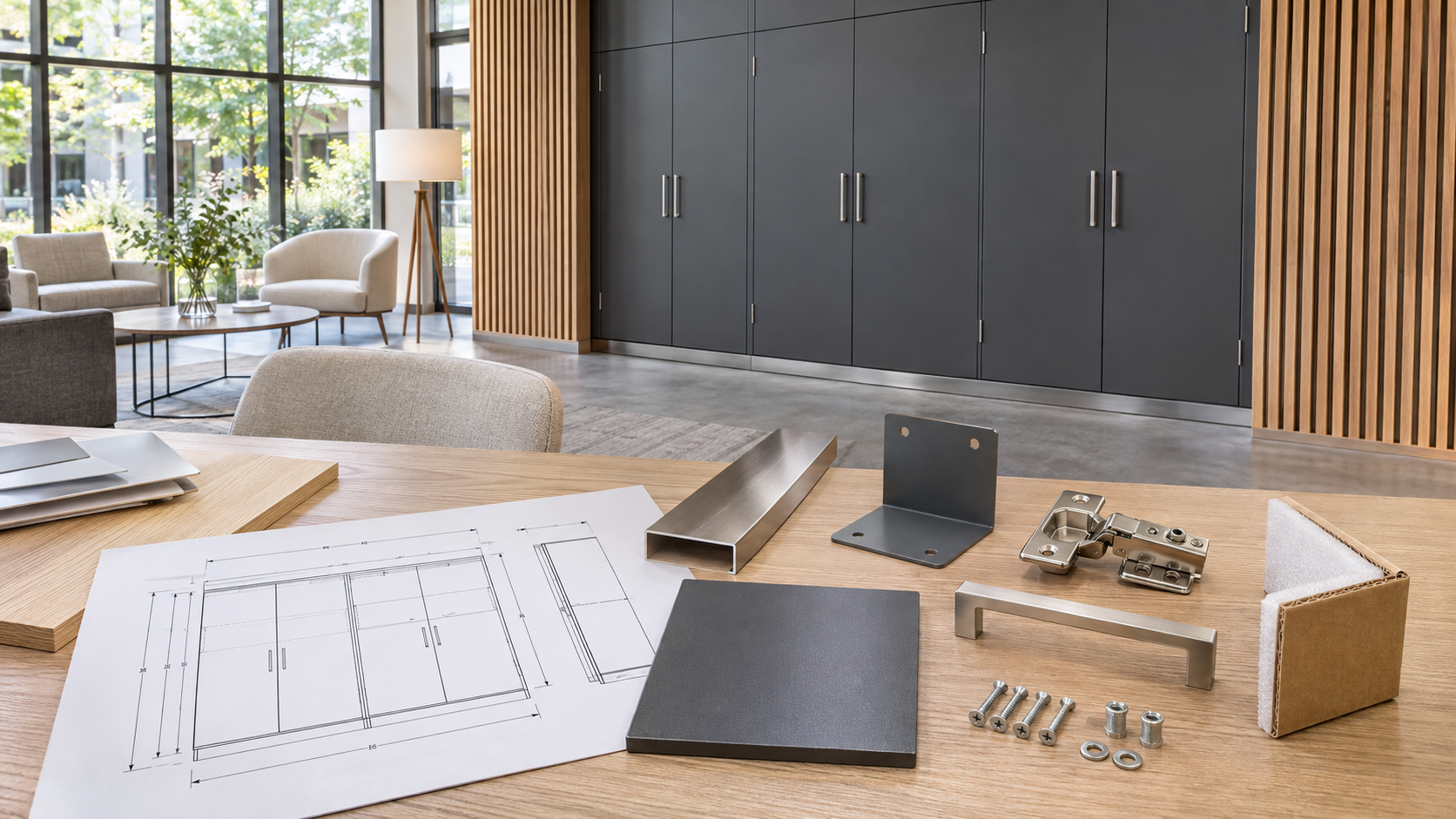
Practical Development
Customization should be documented, not remembered.
Whether the starting point is an existing model, a physical sample, a drawing, or a market need, the approved version should make dimensions, materials, finishes, branding, packaging, and inspection expectations easy to repeat.
- Existing-model modifications
- Drawing or sample-based development
- Private-label packaging and product marks
- Controlled sample and approval records
Decision Framework
Choose the Right Development Starting Point
The route depends on what is already confirmed and how much product definition is still open.
Standard model
Select a proven configuration and adjust finish, accessories, packaging, or branding.
Modified product
Change dimensions, interfaces, hardware, materials, or features against an agreed drawing.
Sample-based development
Record which physical-sample details must be retained and which can be improved.
New concept
Translate the application and market need into requirements, feasibility questions, and a sample plan.
Working Process
Build a Repeatable Approval Record
Define the reference
Identify the base model, drawing, sample, market need, or combination used for development.
Mark changes and open items
Separate confirmed dimensions and features from preferences and supplier proposals.
Review the sample
Check interfaces, function, finish, hardware, branding, assembly, and packaging protection.
Freeze the approved version
Keep the final drawing, sample notes, packaging artwork, labels, and inspection points together.
Follow production consistency
Compare production details with the same approval record used by the buyer and supply team.
Buyer Fit
What Can Be Customized
Product configuration
Dimensions, structure, interfaces, accessories, hardware, and installation details.
Material and appearance
Material direction, surface, color, texture, visible faces, edge condition, and finish reference.
Brand presentation
Logo method, labels, manuals, carton marks, retail or project packaging, and accessory organization.
Commercial program
MOQ direction, sample stages, assortment planning, spare parts, shipment mix, and destination needs.
Buyer Questions
Frequently Asked Questions
What is the difference between OEM and ODM support?
OEM usually starts from a buyer-controlled design or specification. ODM starts with more product-definition support or an existing design direction. Many real projects combine both approaches.
Can Yannieware modify an existing product?
Yes, when the requested changes, target application, interfaces, quantity direction, and approval method are clear enough for feasibility review.
Can private-label packaging be developed with the product?
Yes. Packaging structure, protection, labels, artwork, accessories, and manuals should be reviewed before bulk production rather than added at the end.
How are sample changes recorded?
Use a dated drawing or change list, sample photos where useful, finish references, and written acceptance of any differences before production follow-up.
Start With a Real Requirement
Send the idea, drawing, reference photo, target market, quantity direction, and destination.
We will help identify what is confirmed, what remains open, and what the next practical step should be.